


Can PRP Treatment Stop Hair Thinning Before It Gets Worse ?
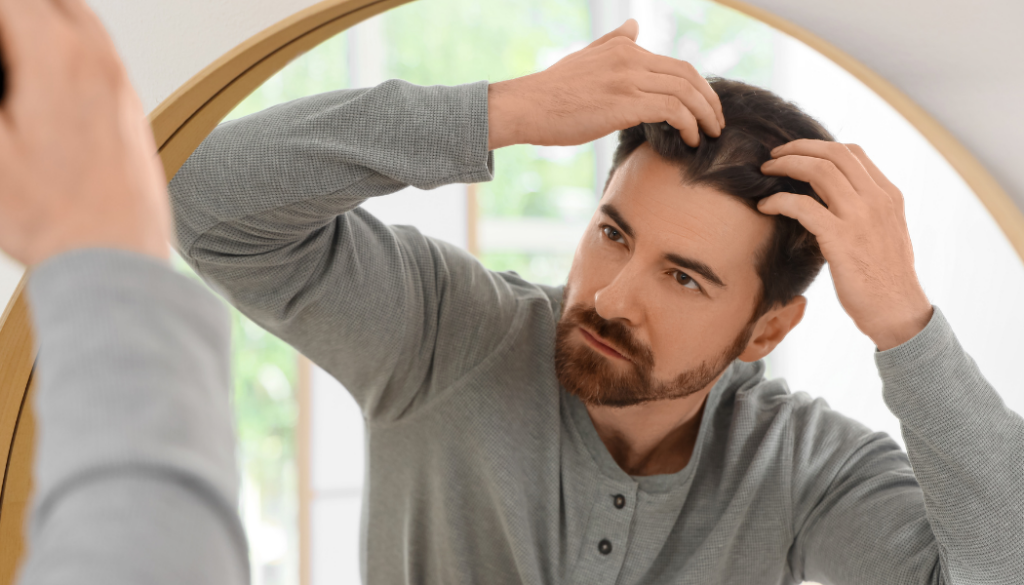
You’ve probably noticed it: maybe in the shower, or when styling your hair in the morning. More strands on your pillow, a wider parting, that creeping feeling that your hair isn’t what it used to be. Here’s the thing : you’re not imagining it, and you’re definitely not alone.
Hair thinning affects millions of people, and the earlier you address it, the better your chances of keeping what you have. That’s where PRP treatment for hair thinning comes in: a science-backed approach that uses your body’s own healing power to fight back.
What’s really happening to your hair?
The gradual decline of hair follicles
Think of your hair follicles like tiny factories. When they’re healthy, they produce strong, thick strands but over time, these factories start to slow down due to several factors:
- Genetics and hereditary hair loss patterns,
- Hormonal changes (especially during menopause or androgen fluctuations),
- Chronic stress and lifestyle factors,
- Natural ageing processes.
The follicles shrink, hair grows thinner, growth cycles get shorter and eventually, some follicles go dormant altogether. The critical detail ? Those follicles are still there. They’re weakened, but they haven’t disappeared and that’s your window of opportunity.
Once a follicle is completely gone, no treatment can bring it back but if you catch the problem whilst follicles are still viable, you can turn things around.
So how does PRP treatment actually work?
The three-step process
PRP stands for Platelet-Rich Plasma, and the process is surprisingly straightforward.
First, a small sample of your blood is drawn, similar to a routine blood test. That sample is then spun in a centrifuge to separate out the platelet-rich portion, which is packed with growth factors and healing proteins. Finally, this concentrated solution is injected directly into the areas of your scalp where thinning is most noticeable. What happens next is where it gets interesting, those growth factors get to work: improving blood flow to your scalp, calming inflammation around struggling follicles, and essentially telling dormant follicles to wake up and start growing again.
It’s not magic, it’s biology.
Does it actually work for hair thinning ?
What the research shows
Let’s talk numbers, because the evidence is solid.
Clinical studies show impressive results for patients who complete a full course of prp treatment for hair thinning:
- 70% to 90% of patients see real improvements in hair density and reduced shedding,
- Average density increases of 25% to 30%, with some studies reporting gains as high as 40%,
- Results become visible within 3 to 6 months after starting treatment,
- Benefits can last 12 to 18 months before maintenance sessions are recommended.
But here’s the catch: you won’t see results overnight.
Hair grows slowly, follicles need time to reactivate, and new hair needs time to reach a visible length. Most people start noticing changes around the three to six-month mark.
Who should consider PRP?
Ideal candidates
This treatment works best for people in the early to moderate stages of hair thinning. If you’ve still got hair in the affected areas but it’s becoming finer or sparser, you’re likely in the sweet spot.
PRP isn’t a miracle cure for complete baldness. It’s designed to support and stimulate the follicles you already have, not create new ones from scratch.
Safety considerations
Another advantage ? Because the treatment uses your own blood, the risk of reactions or rejection is minimal. Most people tolerate it well and get back to their day immediately after a session.
PRP is generally safe, though it may not be suitable for those with certain blood disorders or active scalp infections. A thorough consultation with a specialist will help determine whether you’re a good candidate.
What does a typical treatment look like?
Session frequency and duration
Most treatment plans involve several sessions spaced a few weeks apart. The exact number depends on how much thinning you’re dealing with and how your scalp responds. Each session takes less than an hour, and the process itself is relatively straightforward.
It’s not a one-and-done situation, though. Follow-up sessions help maintain your results over time. Think of it as ongoing support for your hair rather than a quick fix.
The takeaway
Hair thinning can feel like something that’s happening to you, beyond your control. But catching it early makes all the difference.
Whilst genetics and ageing are real factors, they don’t have to dictate the outcome. PRP treatment for hair thinning gives you a scientifically proven way to work with your body’s natural healing processes and create a healthier environment for hair growth.
If you’re noticing changes, thinner strands, more shedding, a receding hairline, don’t wait until the problem becomes harder to address : talk to a specialist. The sooner you act, the better your chances of holding onto the hair you have and potentially reversing some of the damage already done.
Leave a reply
Leave a reply