


EARLY DETECTION MULTI-CANCER SCREENING TEST

Comprehensive Cancer Screening – 118 Genes | Blood Test (NGS)
£ 1.290
Details
Turnaround Time (TAT): 15 business days | Genes: 118
Purpose:
The most comprehensive cancer genetic panel, covering a broad range of cancer-associated genes. The panel is carefully curated based on their proven risk involvement in the development of multiple cancers, including breast, ovarian, colorectal, gastric, thyroid, endometrial, pancreatic, melanoma, renal, and prostate cancers, among others.
Method:
Next-Generation Sequencing (NGS) including CNV analysis | Coverage: ≥99% at ≥20×
Sample Required:
EDTA blood sample – 5 ml
Key Benefits:
• Provides the most comprehensive hereditary cancer risk assessment
• Maximizes diagnostic yield and clinical utility
CTC Liquid Biopsy Test – Circulating Tumor Cells | Patients with cancer
£ 1.290
Details
Who Is This Test For?
• Patients starting or adjusting cancer treatment
• Individuals receiving systemic cancer therapies
• Patients in remission requiring longitudinal follow-up
• Patients for whom tissue biopsy is not feasible
• Metastatic cancer patients requiring regular monitoring
Hereditary Cancer Genetic Testing for Risk Assessment & Prevention
£ 990
Details
Genetic Testing for Hereditary Cancers
• Identifies inherited genetic variants that may increase the risk of developing certain cancers
• Provides valuable insights for both patients and their families
• Supports earlier detection and proactive health monitoring
• Enables personalised screening, prevention, and follow-up strategies
• Uses advanced Next-Generation Sequencing (NGS) technology to analyse multiple cancer-related genes simultaneously
• Helps patients and clinicians make clearer, more informed healthcare decisions
Parkinson’s Disease & Dementia Panel | Genetic Testing
£ 1.290
Details
Parkinson’s Disease & Dementia Genetic Panel
• Identifies inherited genetic variants associated with Parkinson’s disease and different forms of dementia
• Supports earlier diagnosis and improved risk assessment
• Helps guide personalised treatment, follow-up, and long-term care strategies
• Valuable for patients with symptoms or a family history of neurological disorders
• Based on advanced Next-Generation Sequencing (NGS) technology
WHY SHOULD I CONSIDER CANCER SCREENING?
Cancer is a ticking time bomb globally. Every year about 18 million women and men are diagnosed with various cancers including carcinomas, sarcomas, neuroendocrine tumors, melanomas. These cancers are also associated with about 9 million deaths. This translates into roughly 34 cancer cases being detected and 18 cancer related deaths every minute. Annually, these cancers contribute to:
Due to changes in lifestyle as well as other risk factors, these numbers are stated to increase in the future. Detecting Cancer Early is vital to saving lives. Studies have shown that early detection of cancer improves survival rates.
CANCER CHECK IS A BLOOD TEST THAT CAN ENABLE EARLY DETECTION OF MULTIPLE CANCERS IN ASYMPTOMATIC INDIVIDUALS.
WHY SHOULD I CONSIDER THE TEST?
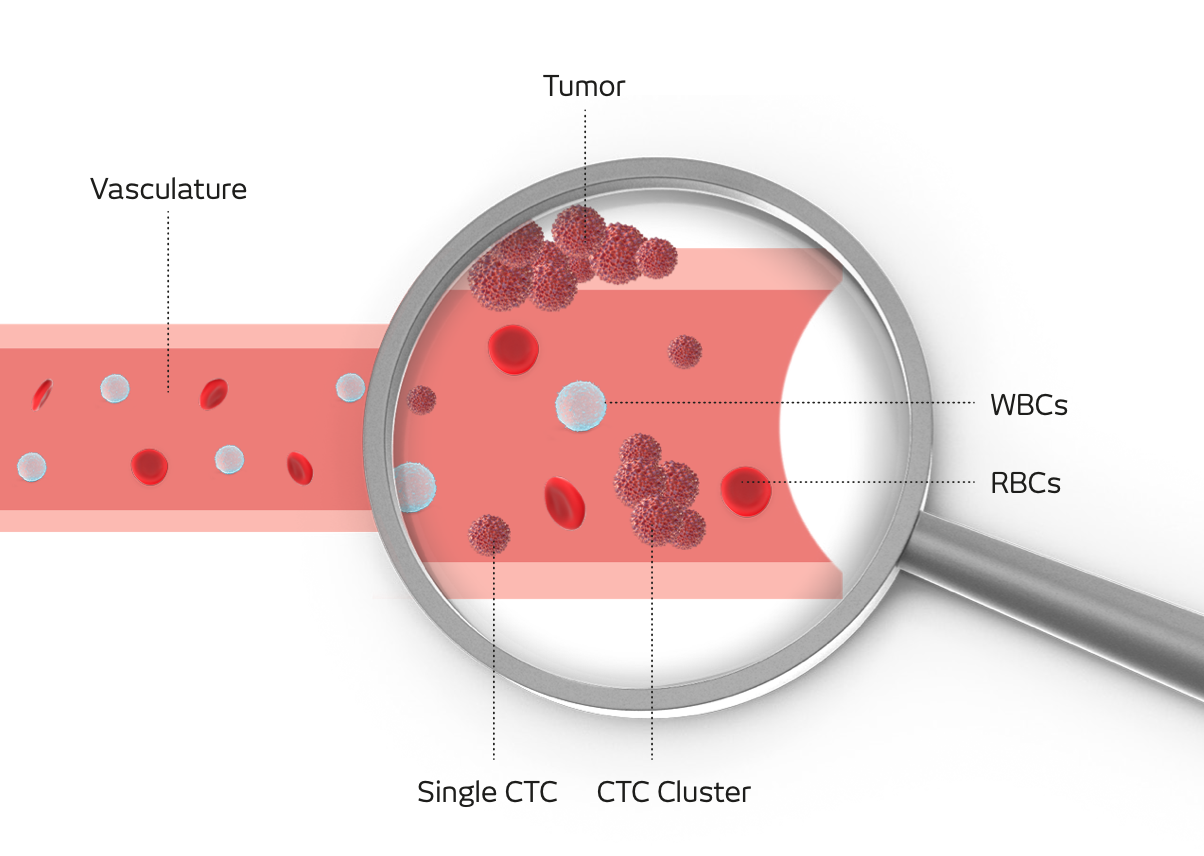
- Circulating Tumor Cells (CTCs) and their clusters are present in the blood of almost all cancer patients and are undetectable even in seemingly healthy individuals.
- Cancer Check technology to detect and characterise CTCs has been proven through extensive clinical validations involving more than 40,000 participants.
- The test is a paradigm shift in cancer screening, as it does not involve radiation or invasive procedures. The test is performed at our world-class laboratory, which meets and exceeds all national and international standards.
ADVANTAGES OF CANCER CHECK?
Being a non-invasive blood- based test, Cancer Check can minimize the need to visit a healthcare centre – since the blood sample can also be collected from the privacy and comfort of your home.
FAQS : All about the check
Does Cancer Check detect ‘existence of cancer’ or ‘possibility of cancer’?
It detects ‘existence of cancer’
Does Bodycheckup Cancer Check replace conventional cancer screening like mammography?
Cancer Check is not intended to be and should not be considered as a replacement for any Stan- dard of Care screening tests.
Does a ‘negative’ Cancer Check result mean that I am ‘totally’ cancer free?
Within the limits of error, a ‘negative’ result is a reasonable indication of undetectable cancer of the type covered by the test. For other cancers not covered by the test, no inference should be drawn from a ‘negative’ result.
Does a ‘negative’ Cancer Check result mean that I am free from cancer forever?
A ‘negative’ results means that at the time of the test there were no detectable cancer cells circulating in the blood.
How frequently should Cancer Check be repeated?
As Cancer Check is a non-invasive blood test, there is no disadvantage in frequent testing. However, we advise that Cancer Check should be performed every 12 months in case of every negative result.
If my Cancer Check result is ‘positive’, how do I find the location of the cancer?
The test indicates the location for the select types of cancers with high accuracy, and in others the Tissue of Origin can be identified with reasonable accuracy. In all cases of ‘positive’ results, the Report should be interpreted by your physician who can guide you on further course of action.
Is Cancer Check recommended for a person suspected to have / has symptoms of cancer?
No, such individuals should seek expert medical advice without delay.
Copyright KensingtonInternationalClinic