
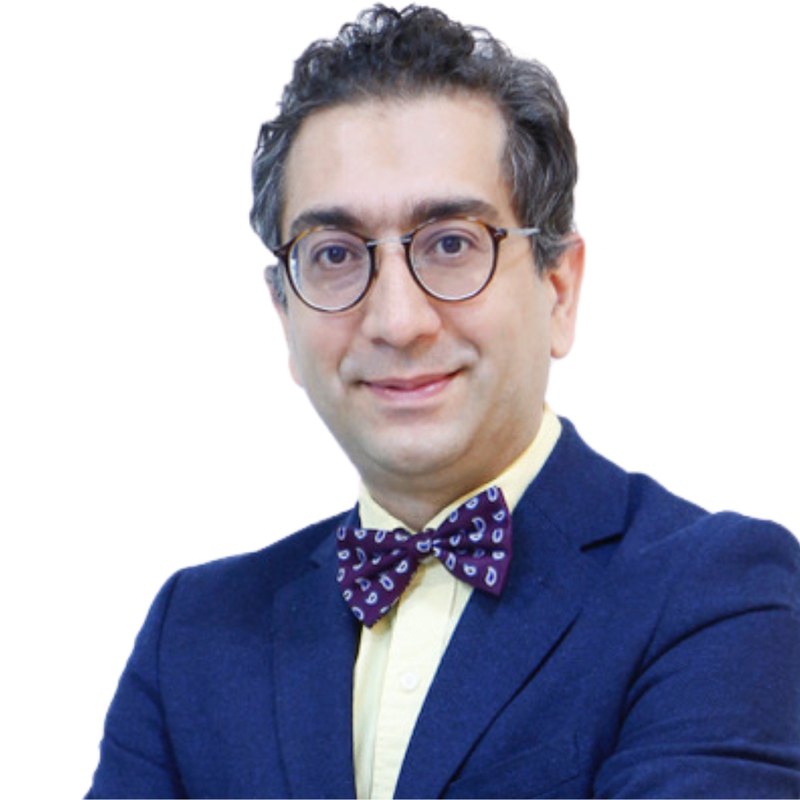
Dr Ehsan Karimiani, MD, MRes, PhD, is a renowned medical geneticist with a strong academic foundation and extensive clinical experience. He obtained his medical doctorate (MD) and completed a Master of Research (MRes) and a Doctor of Philosophy (PhD) in medical genetics at the prestigious University of Manchester. Following his academic studies, he gained valuable clinical experience through seven years of practice in NHS hospitals.
Dr Karimiani is dedicated to advancing patient care in Iran, where he uses his expertise to diagnose and treat genetic conditions. He is also an honorary lecturer in medical genetics at University College London, contributing to the field through research and education.
With over eight years of experience in genetic counselling, he provides comprehensive guidance to individuals and families affected by genetic disorders. His specialisations include counselling for marriages between relatives, risk assessment for genetic disorders, and premarital and pre-pregnancy genetic counselling. He also offers specialised counselling for familial cancer syndromes, including breast cancer, Lynch syndrome and familial adenomatous polyposis (FAP).
Dr Karimiani also provides cancer risk assessments, pre- and post-test genetic counselling, and counselling for preimplantation genetic testing (PGT) and prenatal diagnosis (PND). He ensures that patients receive comprehensive explanations of genetic tests and their implications.
His extensive knowledge of the genetic challenges faced by people of Middle Eastern ethnicity allows him to provide tailored care and support to patients from this population. His expertise in genetic medicine makes him a valuable resource for individuals and families seeking genetic counselling and support. He is committed to providing personalised care and guidance to help patients understand their genetic risks and make informed decisions about their health.
Qualifications: MD, MRes, PhD (University of Manchester, medical genetics)
Experience: over 8 years of NHS and academic experience
Commitment: providing personalised care and support to patients seeking genetic counselling
Areas of expertise
- Genetic counselling for familial cancers (e.g. breast cancer, Lynch syndrome, FAP)
- Prenatal and preimplantation genetic testing
- Genetic risk assessments and counselling
- Genetic testing for developmental delays and intellectual disabilities
- Genetic counselling for people from Middle Eastern and diverse ethnic backgrounds
- Counselling for marriages between relatives
- Premarital and pre-pregnancy genetic counselling
- Cancer risk assessment
- Pre- and post-test genetic counselling
- Counselling for preimplantation genetic testing (PGT) and prenatal diagnosis (PND)
Genetic tests
Hereditary cancer prevention
- Predisposition cancer scoring (12 cancer types), £350: evaluates genetic markers associated with an increased risk of 12 common cancers: breast cancer, lung cancer (including bronchus), prostate cancer, colorectal cancer (colon and rectum), melanoma (skin cancer), bladder cancer, non-Hodgkin lymphoma, kidney cancer (renal cell and renal pelvis), endometrial (uterine) cancer, leukaemia, pancreatic cancer and thyroid cancer. This test helps identify people who may benefit from enhanced screening or preventive measures, allowing early detection and intervention.
- Comprehensive exome-based hereditary cancer screening, £690: analyses the entire coding region of DNA to detect mutations in genes linked to hereditary cancer syndromes. This thorough assessment provides a comprehensive view of genetic cancer risk, enabling personalised prevention strategies.
Hereditary disease prevention
- Predisposition risk scoring (15+ conditions), £310: assesses genetic risk factors for multiple common hereditary diseases, such as heart disease, diabetes and certain cancers. This test allows early intervention and lifestyle changes, potentially preventing or delaying the onset of disease.
Hereditary disease diagnostics
- Diagnostic exome, £690: examines all protein-coding genes in the genome to identify genetic variants causing rare inherited disorders. This test is particularly useful for diagnosing complex or undiagnosed genetic conditions, offering insights into rare diseases.
- Autism CGH array, £970: uses comparative genomic hybridisation to detect chromosomal abnormalities, including deletions and duplications, associated with autism spectrum disorders. This test helps identify specific genetic causes of autism, aiding diagnosis and treatment planning.
- Autism exome-based test, £1,110: provides a comprehensive analysis of all protein-coding genes to identify mutations associated with autism spectrum disorders. This test offers a deeper understanding of the genetic factors contributing to autism, potentially leading to more targeted interventions.
Carrier screening
- Comprehensive carrier screening (400+ conditions, including cystic fibrosis, GJB2, etc.), £690: tests for genetic mutations that could be passed on to children, including those causing cystic fibrosis, GJB2-related hearing loss and Tay-Sachs disease. This screening is essential for family planning, allowing couples to make informed decisions about reproduction.
Pharmacogenetics
- Pharmacogenetics test, £490: analyses genetic variations that influence how a person metabolises and responds to different medications. This test helps healthcare providers optimise drug selection and dosing, reducing adverse effects and improving treatment efficacy. It is particularly useful for tailoring treatments in various medical fields.
Together, these tests offer a comprehensive approach to genetic health assessment, from cancer prevention to personalised medication management, providing valuable insights for individuals and healthcare providers alike.
Dr Ehsan Ghayoor Karimiani, MD, MRes, PhD, Consultant in Genomic Medicine
Clinical genetics services at Kensington International Clinic
Genetics in modern medicine
Genetic medicine is rapidly transforming healthcare. By analysing a person’s DNA, doctors can better understand the causes of disease, assess inherited risks, and guide personalised prevention and treatment strategies.
At Kensington International Clinic, our Clinical Genetics service provides specialised consultations and advanced genomic testing for patients and families seeking answers about inherited conditions.
Led by Dr Ehsan Karimiani, Clinical Geneticist, the service combines clinical expertise with modern genomic technologies to support patients across a wide range of medical specialties.
Cancer genetics
Some cancers can be inherited. Genetic testing can identify people with an increased risk of cancers such as breast, ovarian, colorectal and prostate cancer. Early identification allows for:
- Personalised screening programmes
- Preventive strategies
- Targeted treatments
- Testing for family members
Pre-marriage and family planning genetics
Genetic counselling before marriage or pregnancy can help couples understand the risk of inherited conditions. Carrier screening identifies whether partners carry genes associated with recessive disorders that could affect future children.
Infertility and reproductive genomics
Genetic factors may contribute to infertility, recurrent miscarriage and reproductive health issues. Genomic testing can identify underlying causes and guide fertility specialists in personalised treatment planning.
Neurogenetics
Genetic testing can help clarify the diagnosis in people with early-onset Parkinson’s disease, familial Parkinson’s disease or early-onset Alzheimer’s disease, helping guide medical management and family counselling.
Hearing loss genetics
A significant proportion of hearing loss has a genetic basis. Genetic diagnosis can help determine the cause, guide treatment decisions such as cochlear implantation, and provide important information for family members.
Developmental delay and intellectual disability
Genomic testing plays a crucial role in diagnosing children with developmental delay, intellectual disability, autism spectrum disorders or congenital anomalies, helping families understand the cause and plan appropriate care.
Personalised genetic care
Our service provides:
- Specialist genetic consultation
- Evidence-based DNA testing
- Clear interpretation of genetic results
- Preventive health strategies
- Family risk assessment and counselling
Genetic medicine allows patients to move from uncertainty to clarity, helping families understand their health risks and make informed decisions about the future.
Clinical Genetics Service, Dr Ehsan Karimiani, MD, MRes, PhD, Clinical Geneticist, Kensington International Clinic